Amnesia
What is “amnesia”?
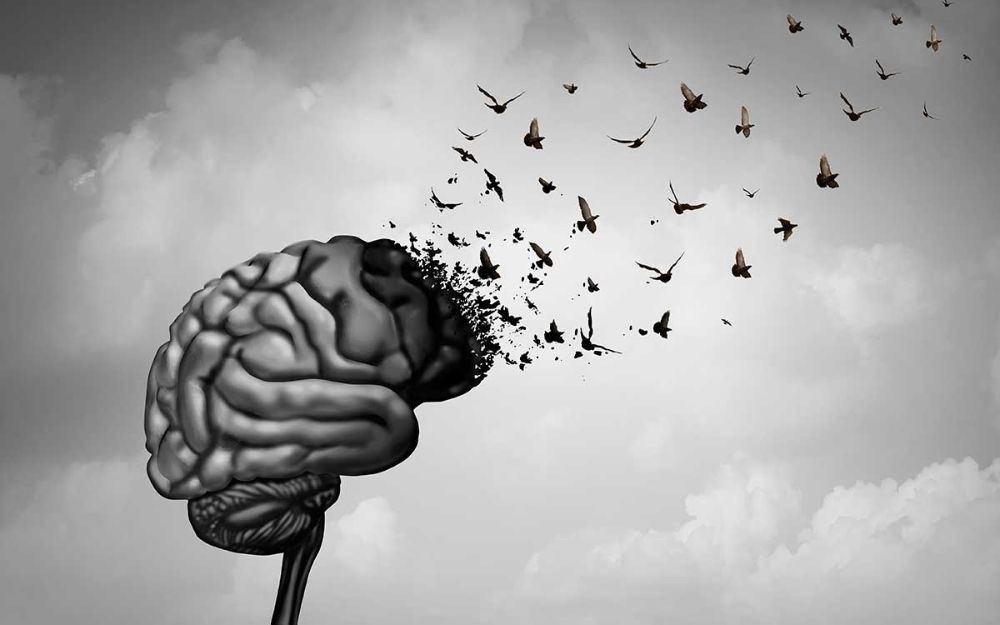
A condition known as amnesia is characterised by partial or total memory loss. It may impair one’s capacity to create new memories, recall old ones, or both. The “amnesia” theory encompasses various explanations for the causes and mechanisms of amnesia.
How does “amnesia” happen?
Disruptions to the processes of memory generation, storage, and retrieval result in amnesia. Physiological, psychological, and neurological aspects can be used to broadly classify the reasons.
Mostly because of:
Brain Injury
Emotional trauma
Lack of oxygen in the brain
Storage failure in the brain
Brain tumours
Etc
Conclusion
Amnesia is a multifaceted disorder that impairs memory function and causes great difficulties for sufferers as well as those close to them. Even though there are many different causes and symptoms, it can have a significant impact on daily life and one’s sense of self. In order to successfully navigate the process of recovery and adaptation, it is imperative that medical professionals, carers, and community resources provide understanding and support. Advances in the understanding of amnesia and its treatment possibilities are being made possible by research and humane care. There is promise for better results and a higher standard of living for people who are impacted by this illness with sustained efforts.
If you find this information to be incorrect, contact us at:
roy018155@gmail.com
 Murder mystery 2